Begin with the complete radio model number
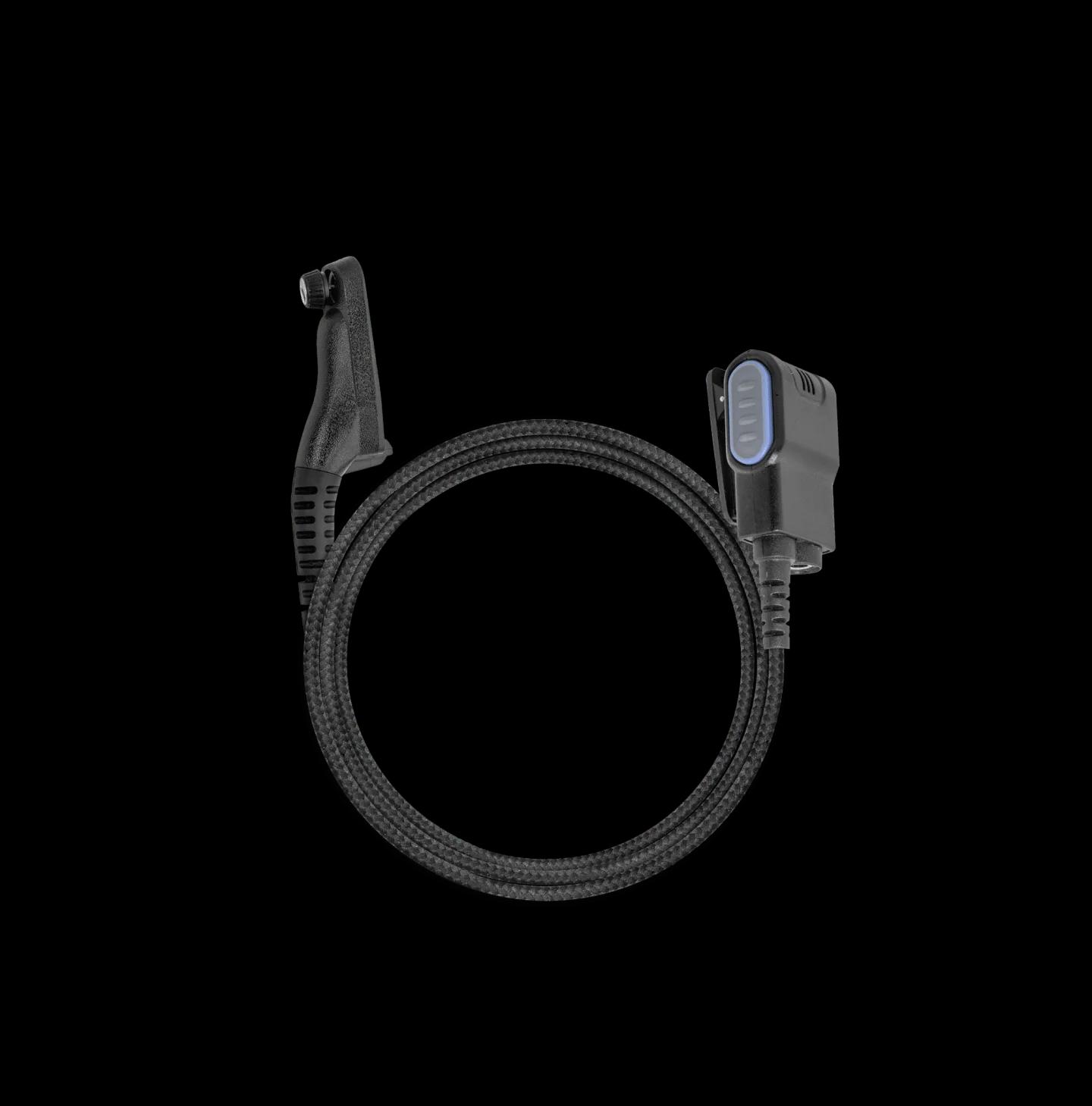
Identify the manufacturer and full model code of each radio the headset will be used with. Look for variants that appear to be the same model but use a different accessory port. A supplier may offer several versions of a push-to-talk assembly with different plugs. Request the part number for the compatible version and a manufacturer compatibility reference where available. If the accessory connector needs to be photographed, follow the unit instructions and leave service covers in place.
Verify three separate matches. The radio must match the PTT assembly's plug. The earpiece must match the socket on the assembly. The microphone and transmit command must work in that configuration. A plug of the same size may provide listening only or may use a different set of contacts. Receiving a transmission does not establish that the assembly can open the transmitter or select the intended microphone.
Test how the operator will carry the equipment
Assemble the equipment as worn on an ordinary shift. Account for movement, gloves, clothing and whether messages are frequent or occasional. Check the cable through sitting, standing, turning the head and reaching. A short cable can pull the earpiece or strain the radio port. A long unrestrained cable can catch on loose equipment. Choose a position for the clip and button that can be used without searching under clothing.
Where the design supports wearing either side, trial both. Check what happens when someone takes over a charged radio mid-shift and has to fit the accessory quickly. Let that person make the first call without a demonstration. If they struggle to locate the button or keep the microphone in the intended position, treat that as a practical fit issue. A successful call made while standing still is only one part of evaluating all-day use.
Confirm what starts transmission and where speech is picked up
A PTT control opens transmission when pressed according to the radio and accessory design. Test what the receiving radio hears when it starts, whether the first words get through and what happens on release. On some products, the microphone and button are housed together. A compatible connected headset can alter which microphone is active. Ask a listener to assess speech with the user facing normally and then turning as they do while working. Check effects from ordinary clothing or the mounting position rather than increasing gain immediately.
If a separate remote PTT is being considered, confirm the radio accessory or control unit explicitly supports it. Perform a manufacturer-approved comparison after a power or battery change. In a busy work setting, verify an ordinary local button can be used if the optional remote is unavailable and make that procedure part of the handover. The user should know how to confirm a call was transmitted and understood.
Separate comfort, noise isolation and hearing protection
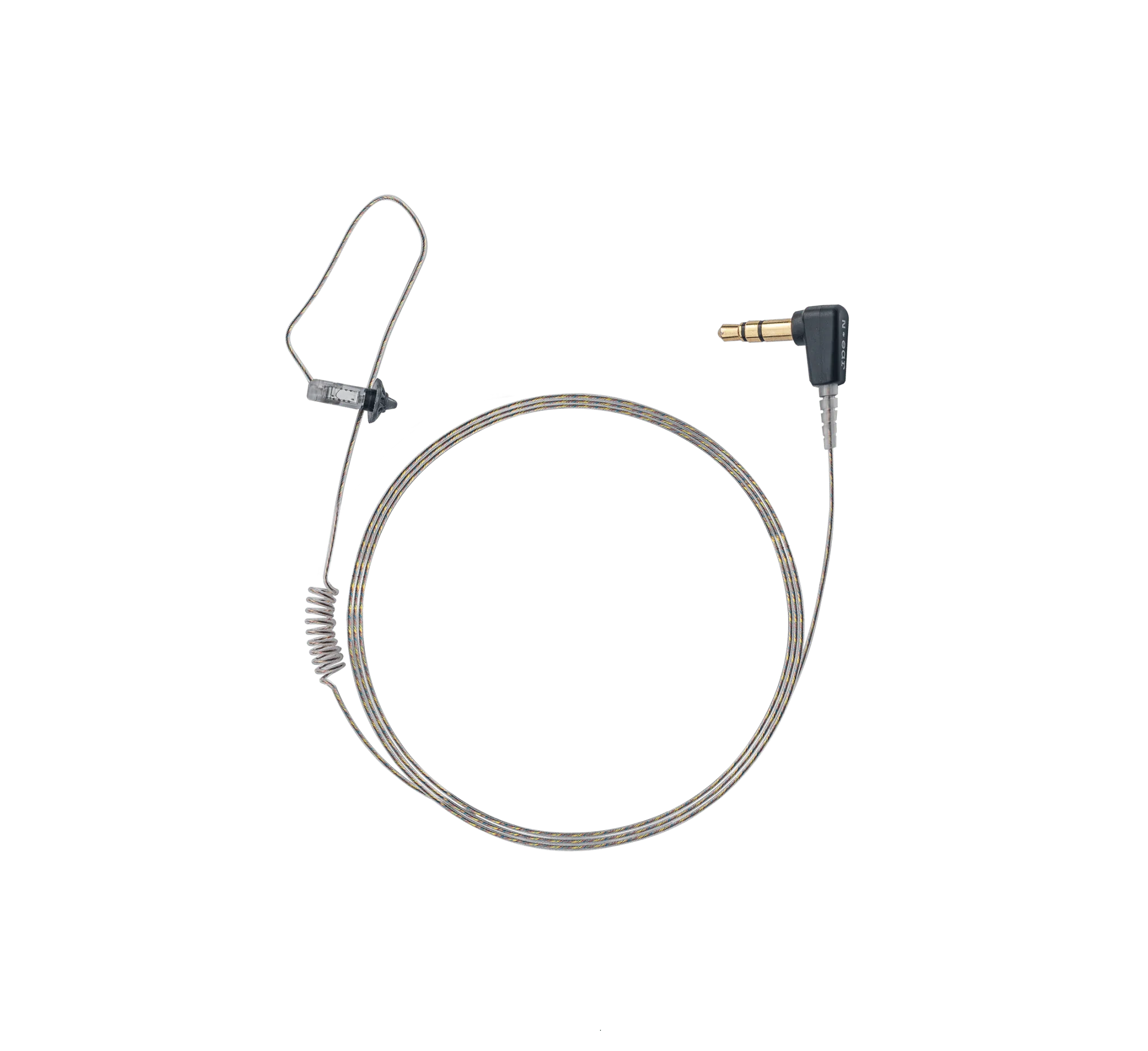
Trial the setup under representative noise within the site's safety procedures. Judge whether normal speech is understood at a comfortable listening level. Check whether the microphone picks up surrounding sound that masks the words or whether an earpiece interferes with hearing a warning needed for the job. Where hearing protection is required, use a qualified occupational specialist to identify appropriate equipment and verify the combination. An in-ear communications product is not automatically rated as hearing protection.
Include other operating conditions in the decision. Where there is rain, dust or frequent cleaning, check the exact model rating, what it applies to and the manufacturer's care instructions. A PTT enclosure and an attached earpiece may have different environmental limits. For shared equipment, agree how users are assigned personal ear tips or earpieces and who checks cleaning and condition at the end of a shift.
Test incoming and outgoing speech as separate outcomes
Start with two approved radios and a known working reference accessory. Ask the first user to say a short unscripted message. The second repeats the important detail, then the two exchange roles. Record the radio model, approved test channel and connector used. Once this works in a quiet condition, repeat at the normal workstation with the intended clothing. Include button press, release, usual movement and reconnection as permitted by the instructions.
If a user can listen but cannot transmit, check whether the correct microphone is active and how the radio recognizes the accessory. If sound fails only when the user moves, repeat the comparison with a verified unit of the same version under the same wearing conditions. Separate send and receive observations in the test record. That makes it easier to isolate whether the issue follows the earpiece, microphone, button, radio or connector instead of treating them as one item.
Worked example for an event crew with mixed radios
Suppose the venue uses two radio models. A particular earpiece works with two corresponding adapters, but one PTT version fails to start transmission on the second radio. Separate inventory by radio and compatible connector part number rather than by the similar appearance of the housings. Ask an audiovisual operator and an event floor lead to fit their assigned assemblies and make paired calls under representative working conditions.
At handover, label the verified pairings and prepare a short record with radio model, accessory part, incoming and outgoing results and approved fallback. The person issuing equipment can then see whether a required variant is missing. Repeat the paired check if a unit is exchanged on show day. That keeps the test tied to the equipment being used rather than relying on memory from a different event.
Record the accepted combination for later replacements
Keep the full accessory part number and matched radio model with the stock record. Label cable lengths or wearing styles where that matters. Confirm which items can be cleaned and which visible damage requires removal from service under the manufacturer instructions. Have the operator or equipment custodian check the cable, plug and button before returning equipment to shared stock.
Questions about radio headsets and PTT
Will every earpiece with a 3.5 mm plug work?
Verify the contact arrangement and whether the port provides listening alone or also expects microphone connections. Check the exact adapter and earpiece documentation.
Is choosing by brand enough?
Use the entire radio model and the approved connector reference. A manufacturer can use multiple connector formats across product families.
What should we test before buying several units?
Use representative radios and users. Confirm listening and transmission, shift comfort, fit with work clothing and parts availability. Keep the accepted radio and PTT pairings as a reference for repeat orders.