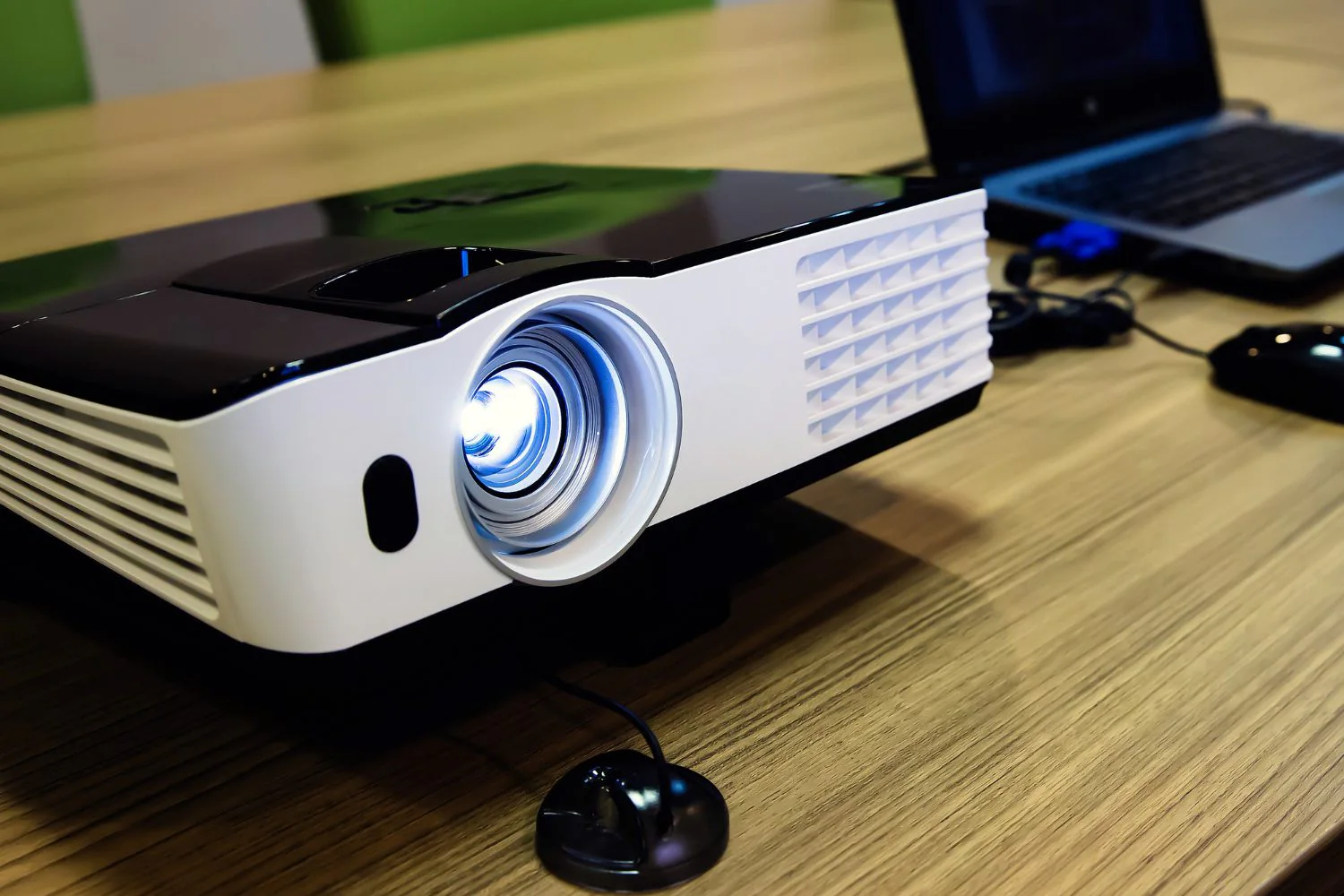
Begin with a room brief and a diagnosis
Write down the job the equipment needs to do. A classroom may need legible captions from the rear row and a straightforward laptop connection. A screening venue may also require a particular image size, aspect ratio, colour performance and noise level. Identify the functions that need to be restored and the shortcomings already present before the fault. A short room brief prevents an apparently cheaper option from being compared with a system that cannot do the same work.
Get a diagnosis rather than using the symptom as the name of a part. A fault limited to a wall connection can persist after the projector has been replaced because the problem was in the installed link. A dim image may be affected by the screen, lighting or a change of operating mode. For an intermittent problem, ask what test reproduced it, how long the test ran and what finding supports the quote. A proposed part by itself does not explain why the issue should be resolved.
Break the repair quote into cost lines
Ask about the diagnostic fee, parts, labour, transport, removal and reinstallation. Confirm whether the assessment charge is credited when work goes ahead. Check parts availability and the estimated time to procure anything not in stock. Ask what the repair warranty covers and what would happen if the same symptom returned. Coverage for a specific repair is distinct from the overall warranty supplied with a replacement unit.
Describe the acceptance test you expect. A machine that ran on a bench for a few minutes has not necessarily faced the same conditions as a fault that emerges during an hour of teaching. Give service the normal source and input, the usage mode and the delay before the issue. At return, agree on a test with representative material or a documented result that the installation team can repeat in the room.
Include the new projector's installed cost
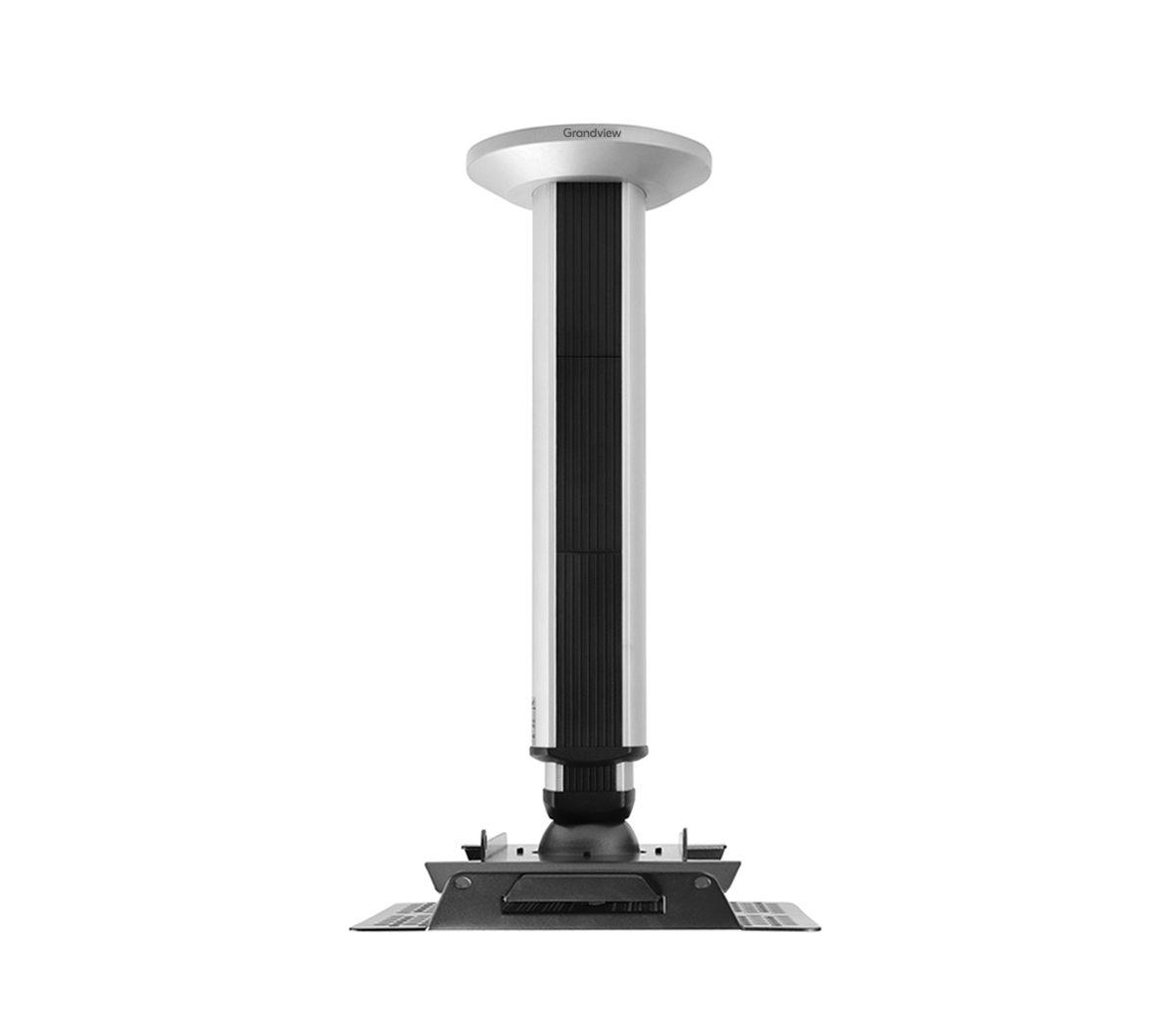
Measure the useful image width and the distance from the current lens position. Each lens and projector has its own projection range and installation geometry. A replacement that fits a mounting bracket mechanically may still be unable to fill the screen from that location. Use the model-specific distance and shift charts. Verify the aspect ratio, mounting orientation and vertical alignment. A venue with an interchangeable lens needs a quotation for the lens as well as the projector.
List the mount, transport, de-installation, cabling and control work separately. Check whether the installed signal path supports the new format and whether the room controller can issue the required commands. Include audio integration, guest laptop use and handover documentation. If the work involves electrical infrastructure or access at height, make sure the quotation accounts for the appropriate trades and access windows. The device price is one line in this comparison.
Estimate downtime using the actual fallback
Find out which bookings or sessions are affected and when an alternative is needed. If an equivalent classroom is available, the disruption may be limited to moving and communicating with teachers. If the venue is already booked, the fallback may require equipment hire, setup and an operator. Use current quotes and confirm that the alternative will be available on the relevant date before assigning a value to it.
Part availability and equipment delivery are different from the return of a functioning room. A replacement may need a separate mounting, alignment and configuration appointment. A repair may require extended runtime to reproduce intermittent faults. Ask for the estimated diagnostic, approval, return and commissioning dates. Agree what happens if the schedule slips. Verify that temporary display equipment can actually reach the current screen geometry and connect to the sources you use.
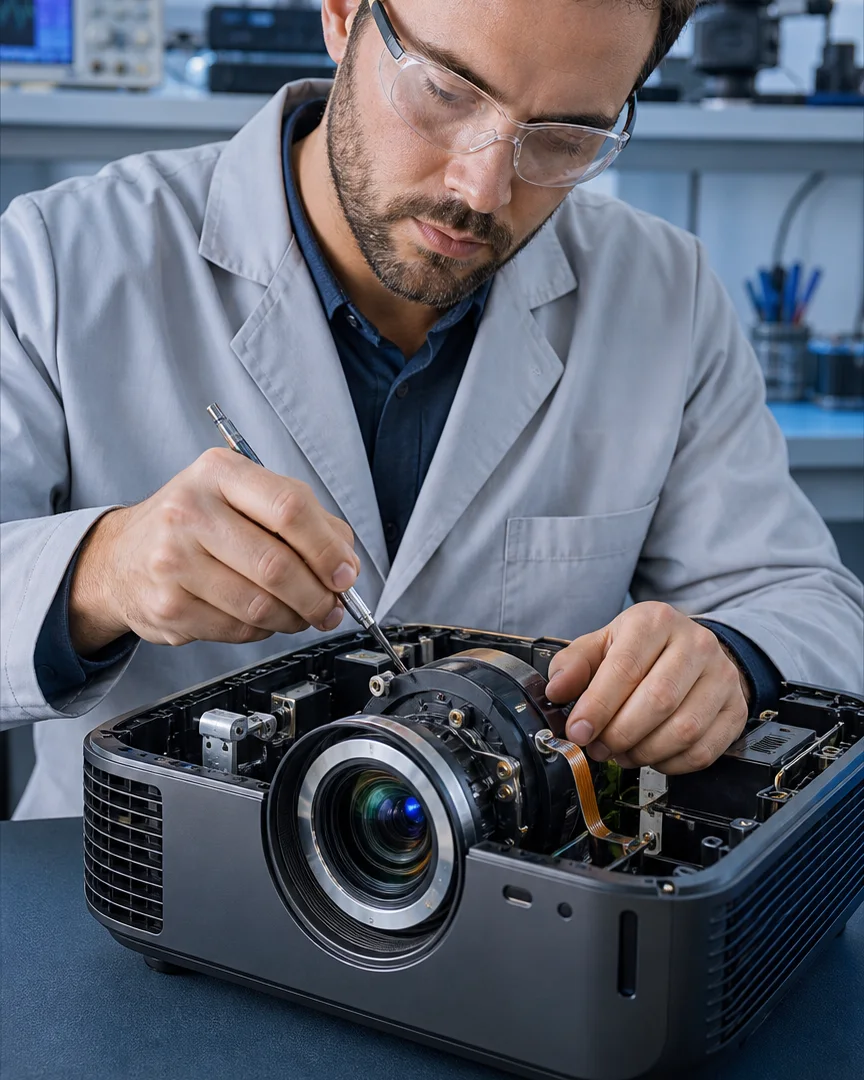
Worked example with room costs included
Consider an illustrative repair estimate of 1,450, with 350 for removal and return and 400 for a temporary workaround. The comparable total is 2,200 in the same currency. A replacement device at 3,250, mounting and cable changes at 650 and installation and testing at 600 comes to 4,500 before any unpriced lines. These figures demonstrate the method, not current prices. When comparing quotes, use the same tax basis and evaluation period for both.
The answer changes if replacement fixes a known limitation. If the existing device cannot make slides readable at the required light level, include the relevant lighting or screen work in the repair scenario. If replacement requires relocating the mount or using a smaller image, capture the fit and cost implications on that side. Judge the total together with the service timeline and the supplier's ability to demonstrate the performance you need.
Match the choice to the state of the system
Repair is worth considering when the existing projector met the brief, the fault is understood and the part and service terms are clear. A specialized lens and an established control setup can make a well-understood repair attractive. Replacement becomes a stronger option when the room has changed, sources need formats that the equipment does not support, parts are unavailable or there are several documented problems that affect reliability. Ask for a practical basis for claims about an upgrade, such as a verified image width and a test with the intended source.
If uncertainty dominates, ask for two clearly scoped options. The first describes repair subject to a confirmed finding and the time needed to verify it. The second describes a replacement compatible with the infrastructure and expected future use. An estimate should tell you how each solution gets the room back into service and what support follows.
Plan for the next outage and verify the return
Identify who owns support, where the model record is kept and which alternative filing, cabling or display can carry the next session if one device fails. An organization with several similar units may have a suitable spare, but verify the lens and mounting geometry before assuming it can be moved between rooms. A specialized auditorium could need a tested route for hiring equipment rather than a permanently stored equivalent.
On return, have someone who knows the workflow start projection on the ordinary input, try the planned content and check readability from the farthest seat. Record startup time, the control state, actual picture size and any exception. If training was included with replacement, have staff repeat the steps. If repair was selected, save the bench findings and acceptance record together. That record provides a baseline for later comparison.
Questions about repair versus replacement
Can repairing an older projector still make sense?
Age is one factor. Consider fit, parts availability, warranty and time to restoration. An older projector with a lens especially well suited to the room presents a different decision from a small portable unit.
How do I make several quotations comparable?
Give suppliers the same room brief and ask for the same cost scope. State whether removal, delivery, mounting, control adjustments, handover and acceptance testing are required.
Should I replace a lamp before asking for diagnosis?
Check the model and the observed symptom first. Dimness or shutdown can have several causes. A verified part number and a diagnosis make it less likely you will buy a part that does not address the reported problem.